
"Costa Rica Arabica"
400 article(s) found
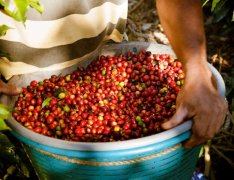
Las Haras, Costa Rica, baking degree and flavor of hand-picked coffee beans 100% Arabica
The growing environment of Costa Rican coffee beans: Costa Rica has a unique advantage in producing high-quality coffee beans with excellent aroma and flavor due to its high altitude, fertile volcanic soil, warm temperature, stable rainfall and tropical climate. Arabica coffee beans come from delicate plants and require specific climatic conditions to thrive, including high altitude and temperature.

Flavor characteristics of Costa Rican Puttalas Coffee Flavor difference between Solar and Honey treatment
Costa Rica Arabica Coffee Bean Costa Rica Alabica coffee beans Origin: Puente Taras Costa Rica Puttalas Costa Rica Manor: Mega Mill Coffee refinery farm seed: Arabica Coffee Bean Variety: Typica Tibica refined treatment: natural Solar treatment (High tanning bed) Grade: SHB EP AAA

Classic flavor of Costa Rican boutique coffee Costa Rica only grows Arabica coffee
The origin of Costa Rican coffee can be traced back to the introduction of Cuban coffee in 1729, and began to export coffee to Colombia and Chile in 1820, and shipped it to London in 1845, which was called golden beans by British aristocrats. In 1825, the Costa Rican government announced the implementation of a duty-free policy for coffee. After 1832, it actively promoted the coffee industry and encouraged private small farmers.
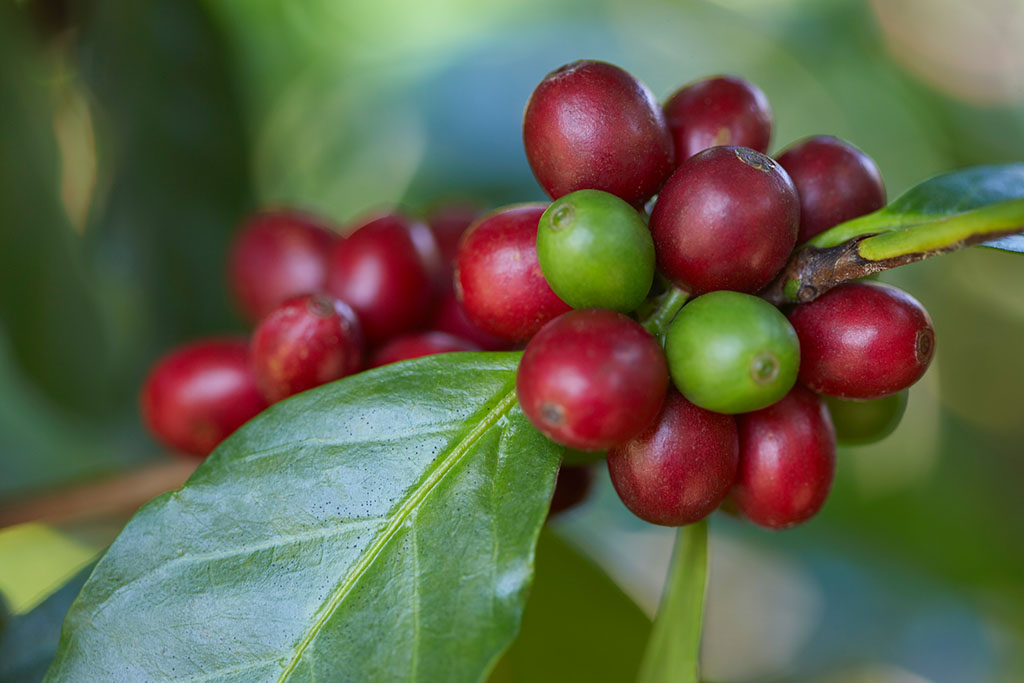
Cultivation and basic situation of Arabica coffee beans grown in Costa Rica in the Americas
The coffee beans produced at the high latitudes of Costa Rica are famous in the world, full-bodied, mild in taste, but extremely sour. The coffee beans here have been carefully processed, which is why they have high quality coffee. Located in the south of SanJos, the capital of Tarasu, Costa Rica is one of the most valued coffee growers in the country. Tarrazu (Lord of the World)

Costa Rican Coffee experience Plantation Tour Costa Rica has four advantages in growing coffee beans
Want to know why coffee lovers and lovers from all over the world go to Costa Rica to enjoy delicious food? Well, because he is one of the best coffee in the world, here are four reasons: tropical high-altitude high-quality Arabica coffee beans Costa Rican coffee experience tropical climate more than 70% of Costa Rican coffee plantations are located in the mountains of the country; as we all know, Goss

Introduction to Goddess Manor in Arabica Coffee Manor, Costa Rica
All the coffee trees planted in Costa Rica are Arabica coffee trees. through improvement, the quality of coffee beans is better and more stable. in order to facilitate picking, coffee trees are kept at a height of about 2 meters through continuous pruning. The coffee that people eat is the taste of the seeds in the fruit that are brewed in water. After picking raw coffee beans, the peel, pulp, seed film and sun exposure must be removed.

The excellent quality of Costa Rican coffee comes from a variety of elements, including a perfect natural environment.
Professional coffee knowledge exchange more coffee bean information Please pay attention to the coffee workshop (Wechat official account cafe_style) Costa Rica Coffee Costa-Rica coffee's excellent quality stems from a variety of elements, including a perfect natural environment, professional manual picking, environmental practices, diversified planting areas and government regulations for active guidance. Create Costa Rican coffee essence

Coffee trees planted in Arabica are introduced in the boutique Costa Rican Coffee Manor.
Coffee is an important economic source of Costa Rica. It was introduced in 1808 and has been cultivated for 200 years. Costa Rica has 1x3 population invested in newly developed villa sarchi, newly developed villa sarchi and coffee-related industries. Colombians say that coffee has changed the country and enjoyed a rich environment, and coffee has indeed made an outstanding contribution.

Sunburn treatment of Shumawa Manor in Costa Rica, is the Vera sa odd species Robusta or Elaraby?
Global coffee bean tree species are mainly divided into: Arabica and Canephora, of which Arabica coffee beans account for more than 100 coffee varieties of 70%80%coffee. The more common coffee varieties are: Arabica Arabica, with outstanding personality and unique flavor, is the main force of boutique coffee, mainly used in coffee shop management and high-end coffee market supply; Robsta

San Romano Costa Rica, Costa Rica, California
Costa Ricans say coffee has changed the country and made it possible to enjoy a rich environment.Although Costa Rica ranks third from the bottom of the Central American landmass, its economic environment is better than half of that of other countries.Because of its rich people and stable society, Costa Rica has the spare time to care about environmental issues.
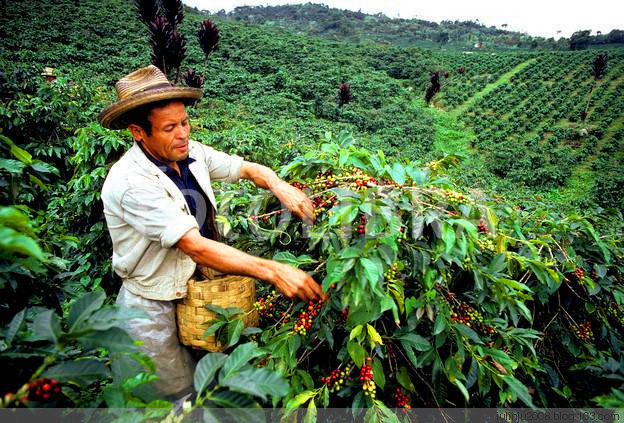
Costa Rican coffee varieties of Costa Rican Arabica beans
Costa Rican coffee has full particles, ideal acidity and unique strong flavor. Costa Rica's coffee industry, originally controlled by the Costa Rican Coffee Industry Company (InstitutodelCafdeCostaRica, ICAFE), has been taken over by the official Coffee Committee (OficinadelCaf). In exported coffee, those products that are considered to be of substandard quality are used in blue.

Flavor and taste of Costa Rican Coffee Manor introduction to Arabica Coffee trees in Fire Phoenix Manor
Coffee is an important economic source of Costa Rica. It was introduced in 1808 and has been cultivated for 200 years. Costa Rica has 1x3 population invested in newly developed villa sarchi, newly developed villa sarchi and coffee-related industries. Colombians say that coffee has changed the country and enjoyed a rich environment, and coffee has indeed made an outstanding contribution.
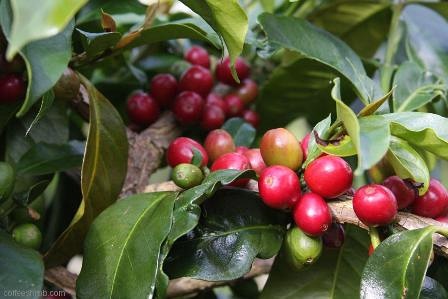
Is the washing of Tarazu Diamond Villa Garden in Costa Rica Robusta or Arabica?
Global coffee bean tree species are mainly divided into: Arabica and Canephora, of which Arabica coffee beans account for more than 100 coffee varieties of 70%80%coffee. The more common coffee varieties are: Arabica Arabica, with outstanding personality and unique flavor, is the main force of boutique coffee, mainly used in coffee shop management and high-end coffee market supply; Robsta

Characteristics of Iron pickup and bourbon varieties and treatment of Tarazhu Coffee beans in Costa Rica
Global coffee bean tree species are mainly divided into: Arabica and Canephora, of which Arabica coffee beans account for more than 100 coffee varieties of 70%80%coffee. The more common coffee varieties are: Arabica Arabica, with outstanding personality and unique flavor, is the main force of boutique coffee, mainly used in coffee shop management and high-end coffee market supply; Robsta

The history of Costa Rican coffee only grows Arabica coffee beans? Traditional coffee extraction method
IPura Vida! This is the tourism motto and national slogan of Costa Rica, translated as enjoying life. Anyone who has been there will tell you that there is no better way to enjoy life than to enjoy a cup of freshly roasted Costa Rican coffee between the country's dense jungle and charming beaches. Costa Rica is located in Central America (between Panama and Nicaragua), climate

A hybrid between Arabica and Robusta & #61548; [Costa Rica 95 Cati]
The exchange of professional baristas please pay attention to the coffee workshop (Wechat official account cafe_style) interspecific hybrid variety [Costa Rica 95 Catimor] Timor hybrid from Arabica and Robusta hybrid 832 Catimor 1 and Caturra. The ICAFE Coffee Institute in Costa Rica was selected by genealogy and bred. Short, brown top, high yield, small and medium-sized beans

Boutique Coffee beans-- Coffee cooked beans how to drink Costa Rican Tarazu
Because of the coffee industry, Costa Rica is a more advanced profession. Coffee farmers have a high status in Costa Rica. In 1897, citizens of the capital witnessed the completion of the National Theater donated by coffee tycoons. Coffee wealth brings stability to Costa Rica's politics, economy and democracy, which is rare in Central American countries. In addition, Colombia has laws that only allow the planting of Arabica and Drogba

A brief introduction to the planting Market Price of Diamond Hill Fine Coffee Bean varieties in Costa Rica
Because of the coffee industry, Costa Rica is a more advanced profession. Coffee farmers have a high status in Costa Rica. In 1897, citizens of the capital witnessed the completion of the National Theater donated by coffee tycoons. Coffee wealth brings stability to Costa Rica's politics, economy and democracy, which is rare in Central American countries. In addition, Colombia has laws that only allow the planting of Arabica and Drogba

Taste and Flavor characteristics of Costa Rican Coffee from the main Coffee producing areas in Central America
Professional coffee knowledge exchange more coffee bean information please follow the coffee workshop (Wechat official account cafe_style) Qianjie-American coffee producing region Costa Rican coffee profile. Costa Rica is a small country. Costa Rica produces less than 1% of the world's coffee. Arabica coffee is directly introduced from Ethiopia, but Costa Rican coffee is regarded as the best coffee in the world.

What is the most expensive coffee in Costa Rica? how does Costa Rican black honey taste?
Professional coffee knowledge exchange more coffee bean information please follow the coffee workshop (Wechat official account cafe_style) in Costa Rica are Arabica coffee trees, through improvement, the quality of coffee beans is better and more stable; in order to facilitate picking, coffee trees are maintained at a height of about 2 meters by continuous pruning; the coffee people eat is that the seeds in the fruit are brewed with water.